The Ruff: two grace notes preceding a primary note.
1570-1675 – An exalted or elated state.
1706 – “The drum beats a Ruff and so to bed.” Farquhar; Recruiting Officer.
1726 – “At the turning of every glass during the night, we beat three Ruffs on the drum.” Shelvocke; Voyage Around the World.
The Oxford English Dictionary contains many entries for the word ruff. Of interest to me are three dating from the mid 16th century, a decorative shirt collar or cuff, an expression of applause by making noise with the feet and a beat or ruffle upon a drum. Might the last be the origin of Ruffles and Flourishes, a ceremonial military greeting played in the United States Army by bugles and drums?
The earliest reference to a Ruff as a drum beat appears in a manuscript titled Thomas Fisher Version dated ca.1634 by the British Museum. Of the six entries, two are single strokes representing the left and right Hands. Four are ruffs: Full Ruff; 1/2 Ruff; Stroke and ruff; and a ruff and a half joined together. All appear in words or letters only.
Though not dated, the next appearance of the Ruff is believed to have been in the mid to late 1600s and is titled The grounds of beating ye drum. This one page manuscript was discovered inside a book owned by Francis Ducet, pronounced Douse. Among the descriptions of strokes, the following appears: a half ruffe, a whole ruffe, and a ruffe n half. A glyph represents each beat.
In The Revolutionary War Drummer’s Book; Massachusetts Historical Society, ca.1778-1810, one finds 18 patterns written in 18th century drum notation.. Among these are the 3-stroke roll; a stroke and two strokes; a ruff 1, 2, 3, 4 quick from hand-to-hand.
The Drag: two grace notes preceding a primary note.
The Drag first appears as Draggs in Young Drummer’s Assistant, London, ca. 1785. Only one example is given. As engraved, see below, the draggs are identical in execution to Ruffs. The word Ruff does not appear in the book.
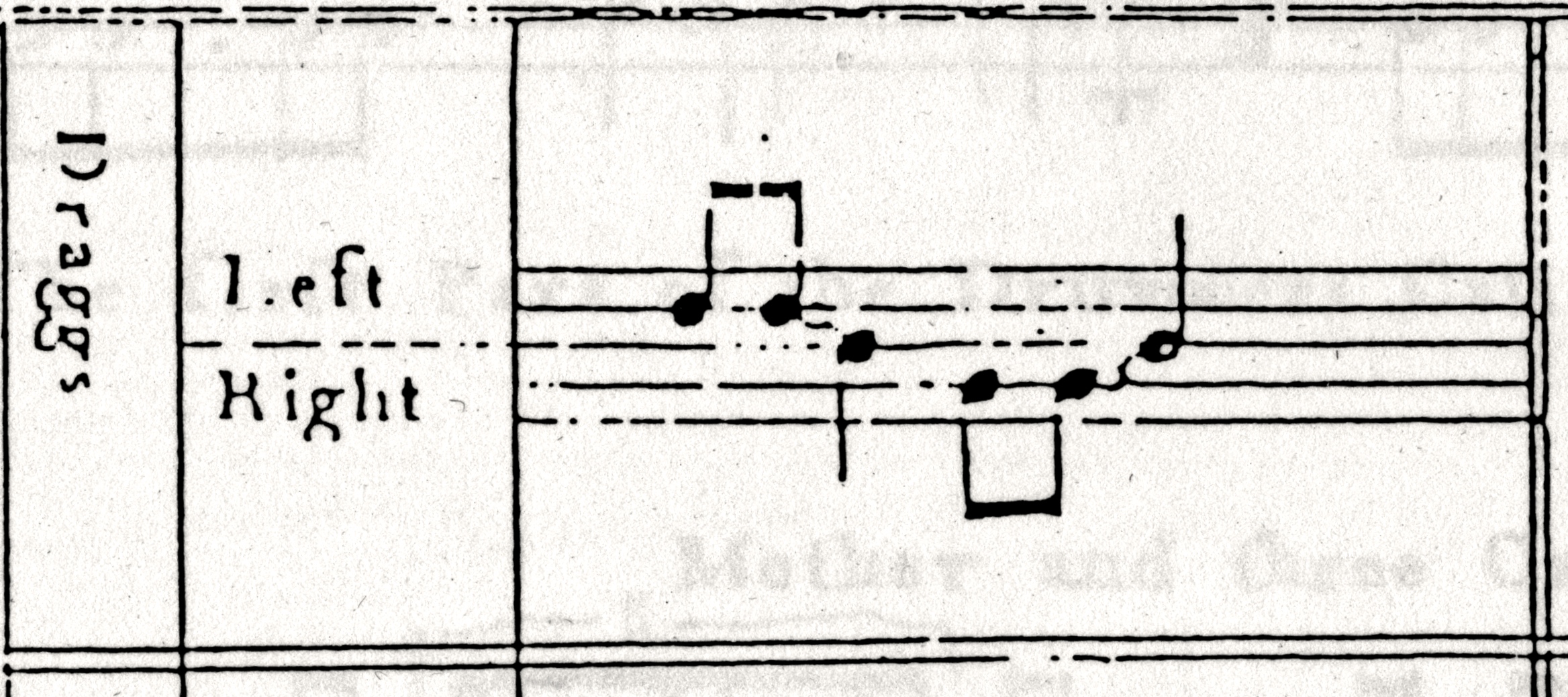
Draggs. The Young Drummer’s Assistant, London, ca. 1785
Between 1810 and 1869, thirteen snare drum manuals, methods or Tutors, are known to have been published in the United States. Only eight of the 13 contain the Ruff. Whereas, the drag and drag combinations appear in all 13.
In 1933 the National Association of Rudimental Drummers (NARD) appropriated its list of drum Rudiments from the Gardiner A. Strube . . . a New and entirely Original System of expressing Hand to Hand Drumming. Strube put down 25 Lessons, among them the Ruff, Single Drag and the Double Drag.
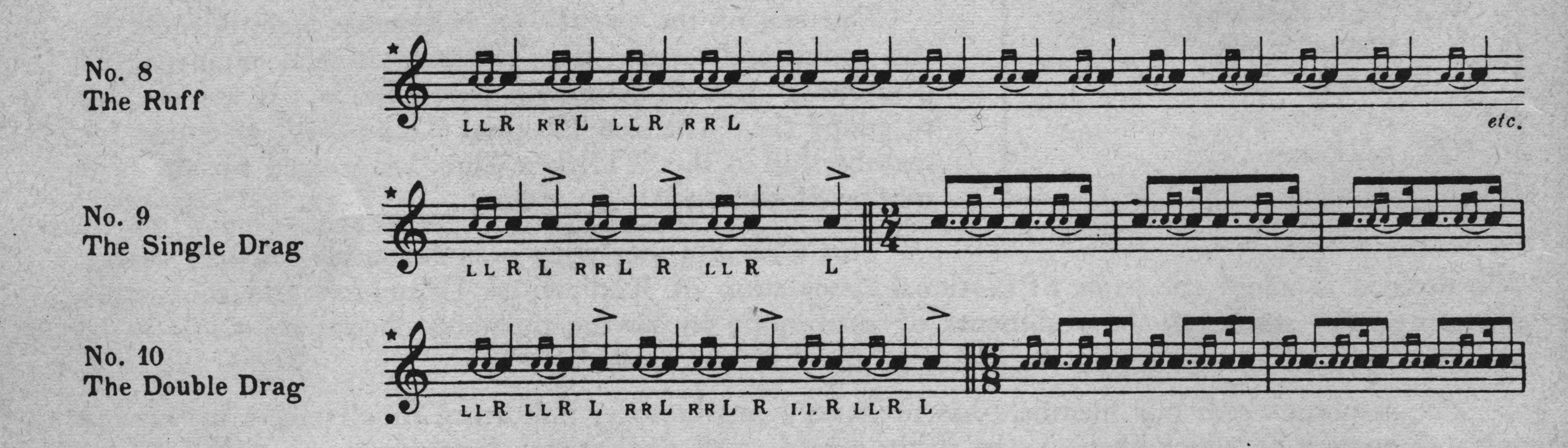
N.A.R.D. rudiments 8, 9, and 10.
In 2002 the Percussive Arts Society (PAS) renamed The Ruff calling it without prefix, Drag.
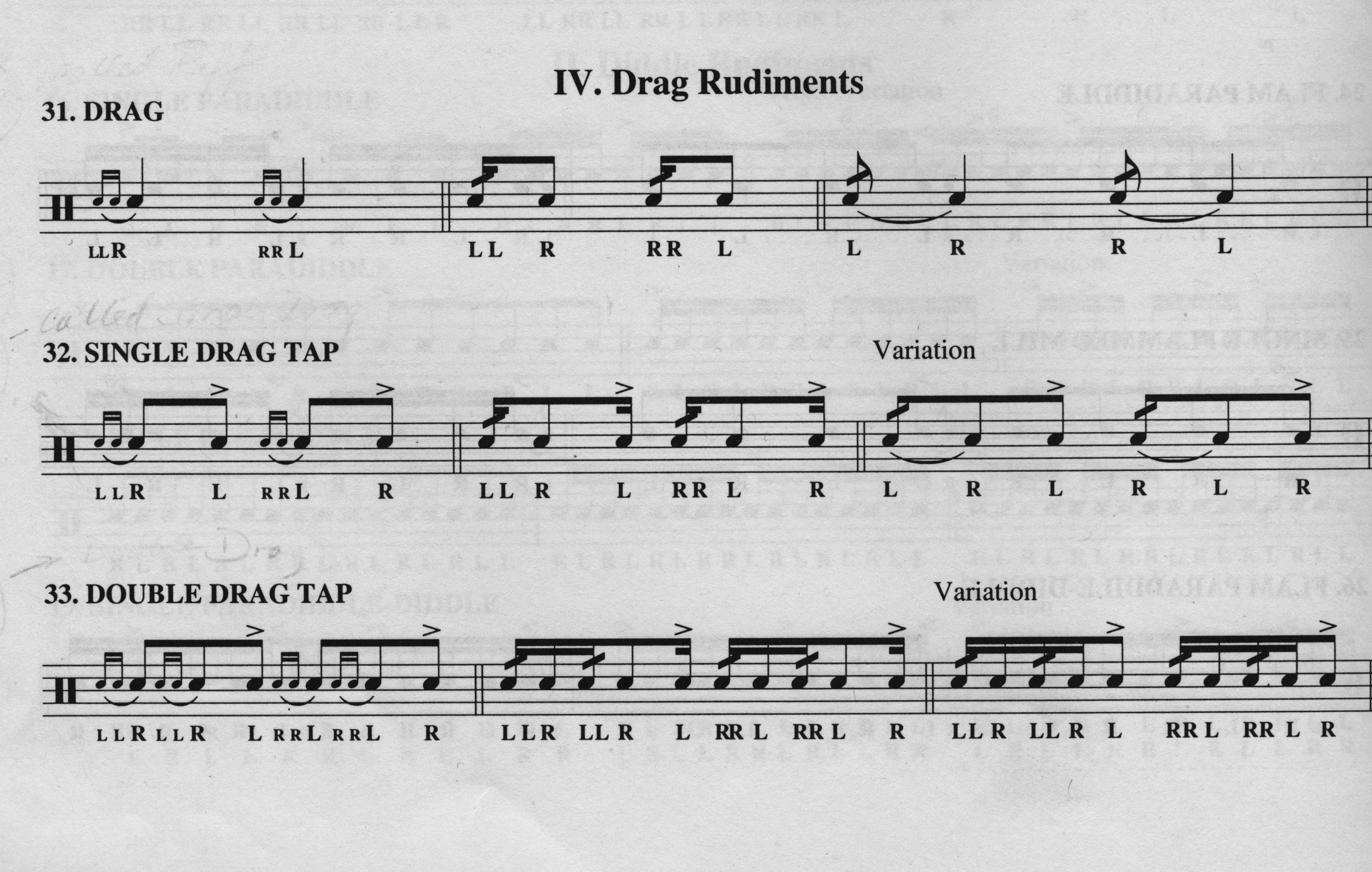
PAS Rudiments 31, 32 and 33
The PAS list of drum rudiments can be seen in, Campbell, James: Rudiments in Rhythm, Meredith Music Publications, Maryland, 2002.
The NARD list can be seen in, America’s N.A.R.D. Drum Solos; Ludwig Music, Chicago.
Note: Please see my article, A Ruff Death (1634-2008, Requiescat in pace)
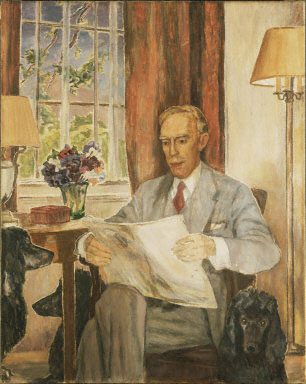


 Robin Engelman
Andrew Wyeth and Oysters
Andrew Wyeth
1917, Chadds Ford, PA. – 2009 Chadds Ford, PA.
My first encounter with Andrew Wyeth was in1968 after Houghton-Mifflin published a sumptious, oversized book with reproductions of his paintings on heavy rag paper titled “Andrew Wyeth”. Later, as part of a War for Independence road trip that included Valley Forge and Brandywine Battlefield, my wife and I visited Chadds Ford.[1.] It was there I began to understand the love Wyeth had expressed for his mysterious, tucked-away-world. Wyeth’s subtle, almost invisible egg tempera colours and textures were fascinating. I’d never followed his career and I learned of his death long after his passing. However, something in the spiritual ambience of his work, if not yet quite grasped, remained with me.
That missing something was finally revealed in May 2014 when we visited a large and conprehensive Wyeth exhibit in the National Gallery, Washington, DC called Looking Out, Looking In. The exhibit began with numerous watercolours, all new to me and they wove themselves seamlessly into his sketches and paintings. I discovered a nowness that Wyeth had captured – those incredibly timeless moments, the hallmark of a great artist. Many years ago Toru Takemitsu said,”Vermeer is not about colour”. And indeed colour is not what he was about. Nor was Wyeth.
In Wyeth as in Vermeer, there is more, a most important more. As I meandered from room to room, Wyeth’s paintings evolved into a private world of my own and became abstractions
Seed Corn, 1948, Private Collection.
Cellar Fireplace, 1955, Oklahoma City Museum of Art.
In 1965, Wyeth said that although he was thought of as a realist, he thought of himself as an abstractionist: “My people, my objects breathe in a different way: there’s another core — an excitement that’s definitely abstract. My God, when you really begin to peer into something, a simple object, and realize the profound meaning of that thing — if you have an emotion about it, there’s no end”.
Howard Pyle was to my mind a superb illustrator and painter. Pyle painted a great and recently stolen picture of English Grenadier drummers pushing their colleagues up Breed’s (Bunker) Hill towards their second repulse by the “Colonial rabble”. Pyle lived in Chadds Ford as did N.C. Wyeth, Andrew Wyeth’s father, who studied with him. Andrew Wyeth said that illustrators like Howard Pyle painted pictures.
Battle of Bunker Hill, Howard Pyle, 1889.
Below is one of my favorite pictures. I took it after a long day on the Capital Mall. My wife and I had a marvelous bottle of Vouvray as an accompaniment to these even more marvelous Chesapeake Bay bivalves. (Eat your hearts out, ye denizins of P.E.I. or anywhere else for that matter.)
Starters, a Plate of 12 at Hank’s Oyster Bar. Washington, D.C. photograph by R.E., 2009.
[1.] Chadds Ford was the major crossing of Brandywine Creek by the road from Baltimore to Philadelphia. The battle was fought 11 September 1777 between approximately 14,000 troops under General George Washington and 15,000 under General Sir William Howe. Though occupying a strong position, Washington failed to send out scouts and his right flank was turned. The defeat led to Howe capturing Philadelphia and Washington establishing winter quarters at Valley Forge.
Posted by robinengelman on June 24, 2014 in Articles, Commentaries & Critiques, History
Tags: Andrew Wyeth, Brandywine Battlefield, Chadds Ford, Chesapeake Bay Oysters, Hank's Oyster Bar, Howard Pyle, N.C. Wyeth, Valley Forge, Vouvray white wine